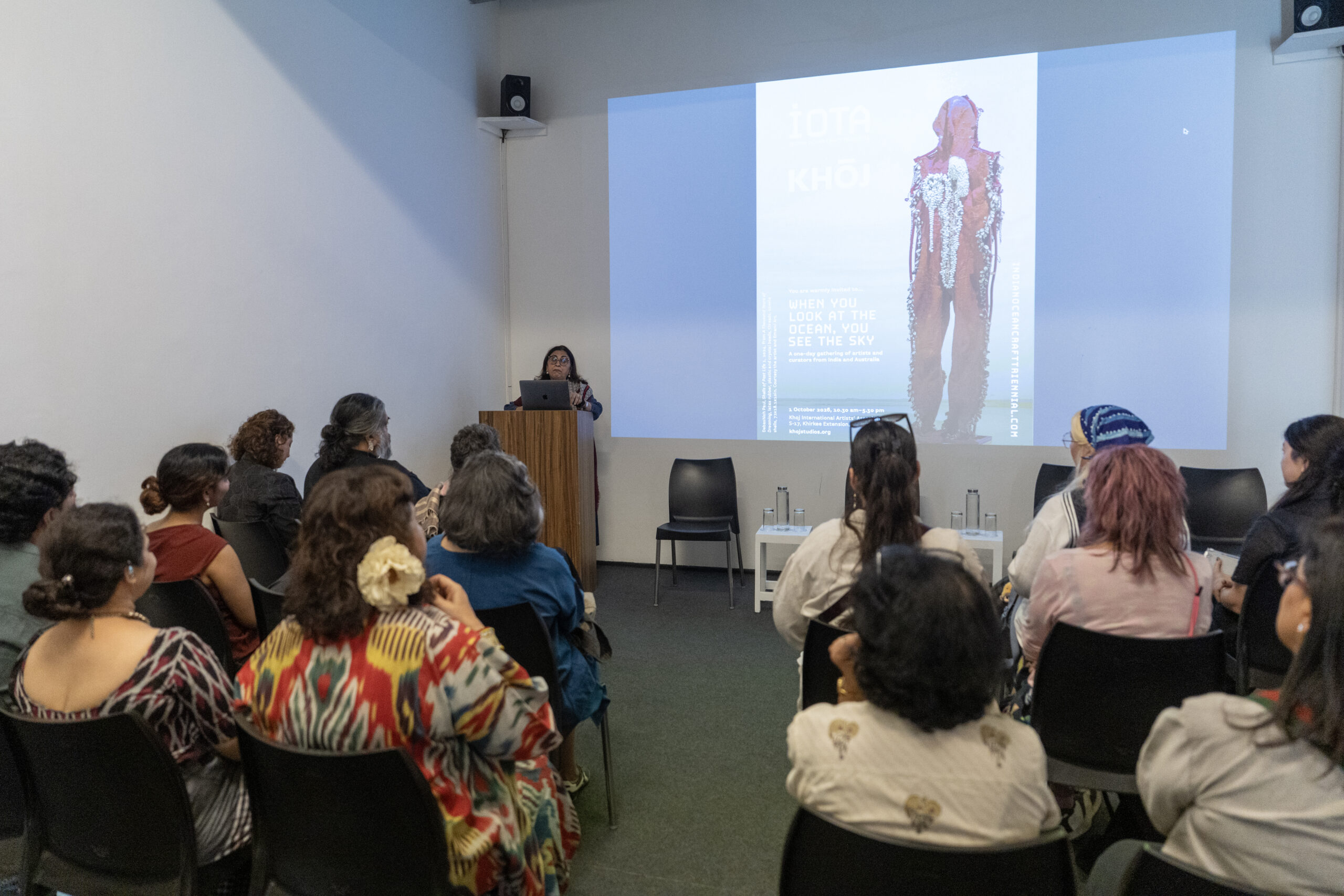
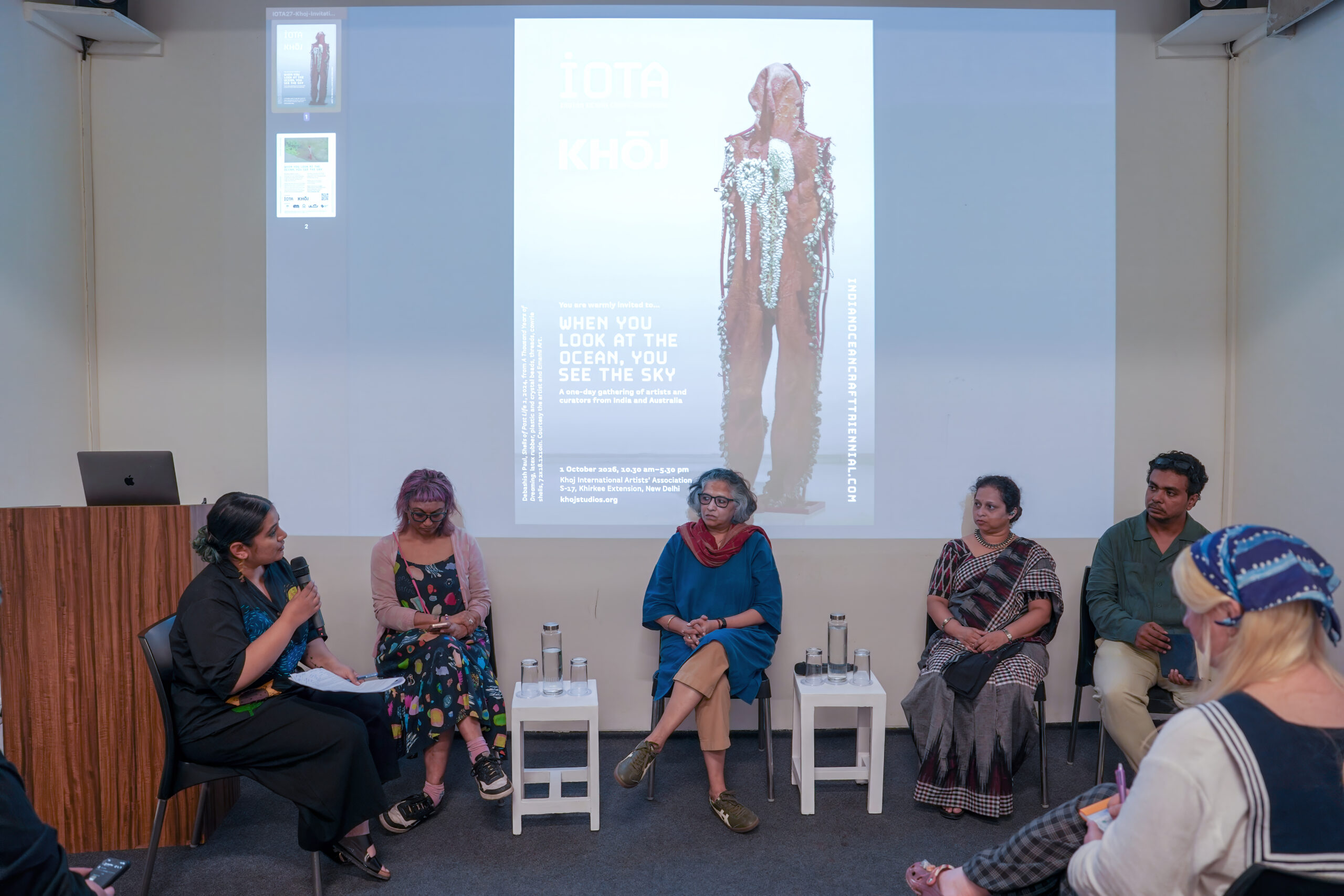
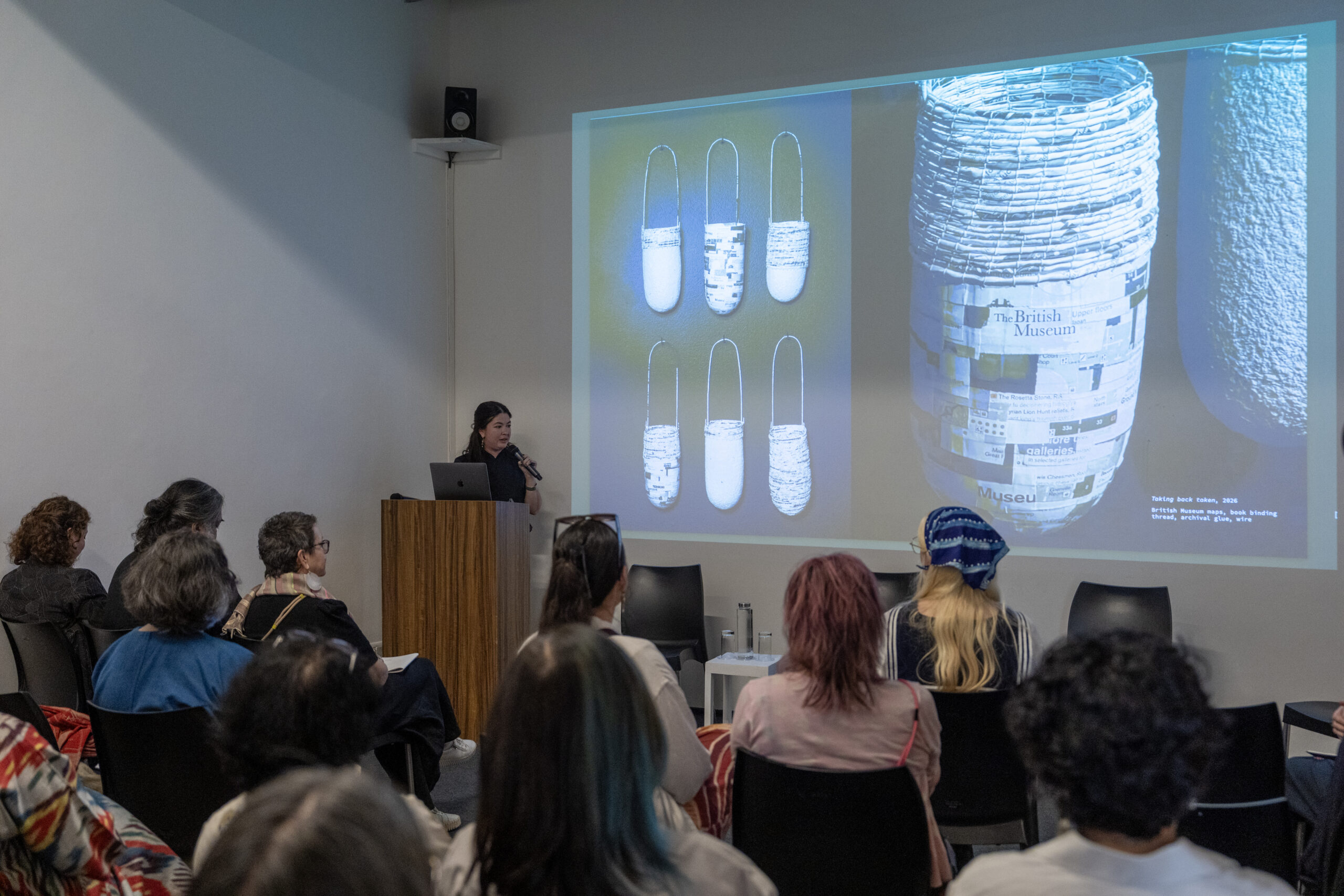
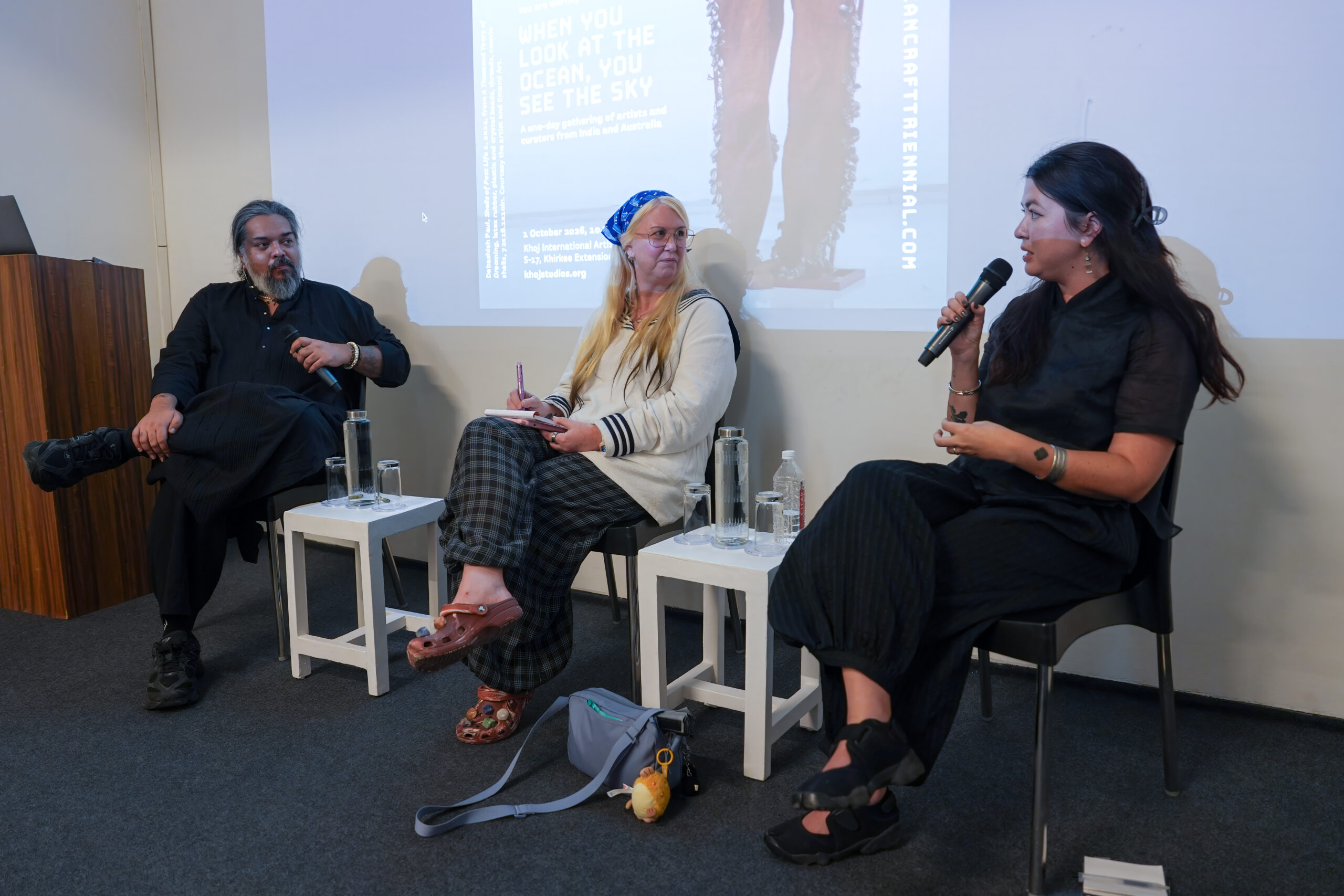
When You Look at the Ocean, You See the Sky was the curatorial theme for the third edition of the Indian Ocean Craft Triennial (IOTA) in 2027 — a proposition for thinking across places, practices and ways of knowing.
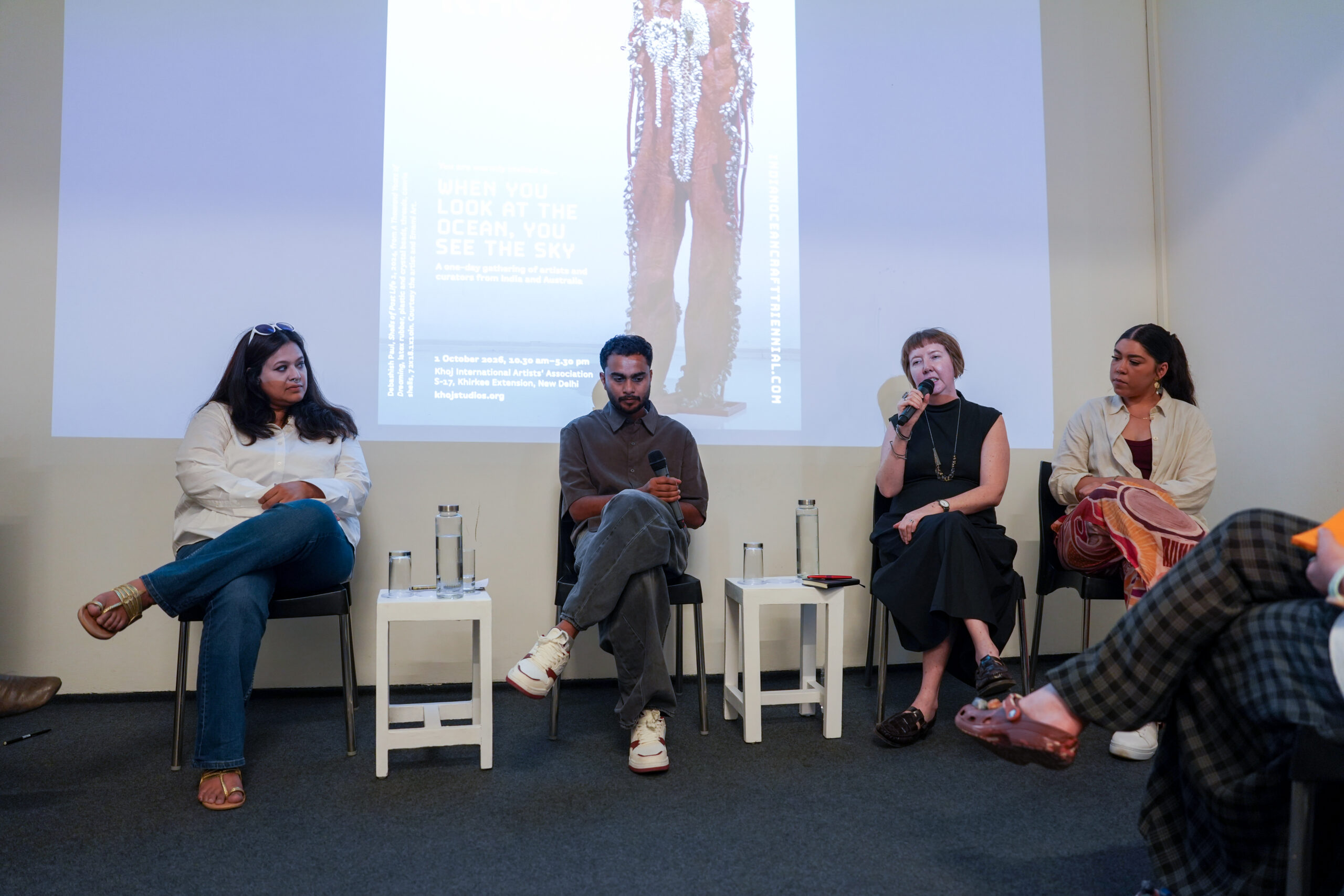
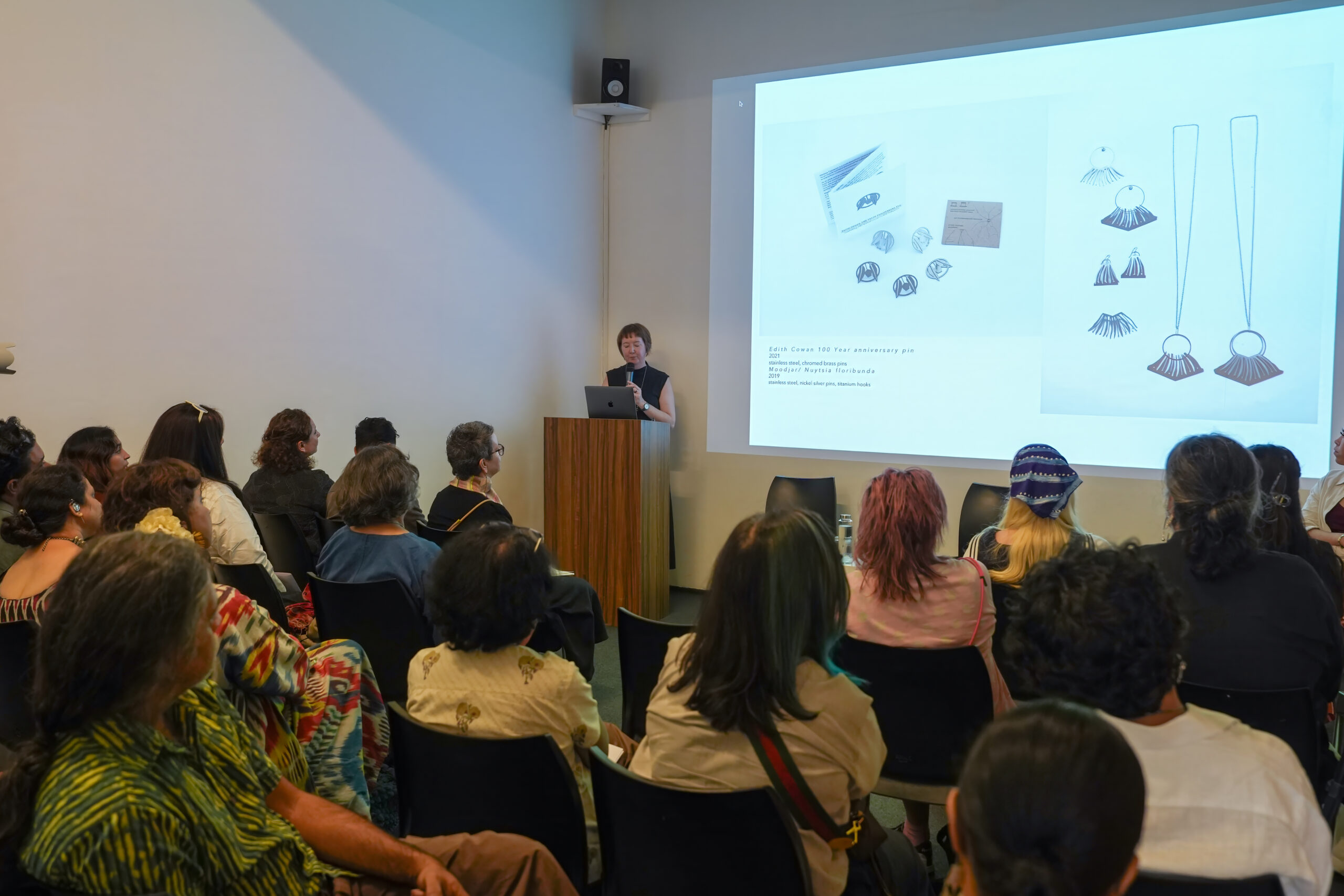
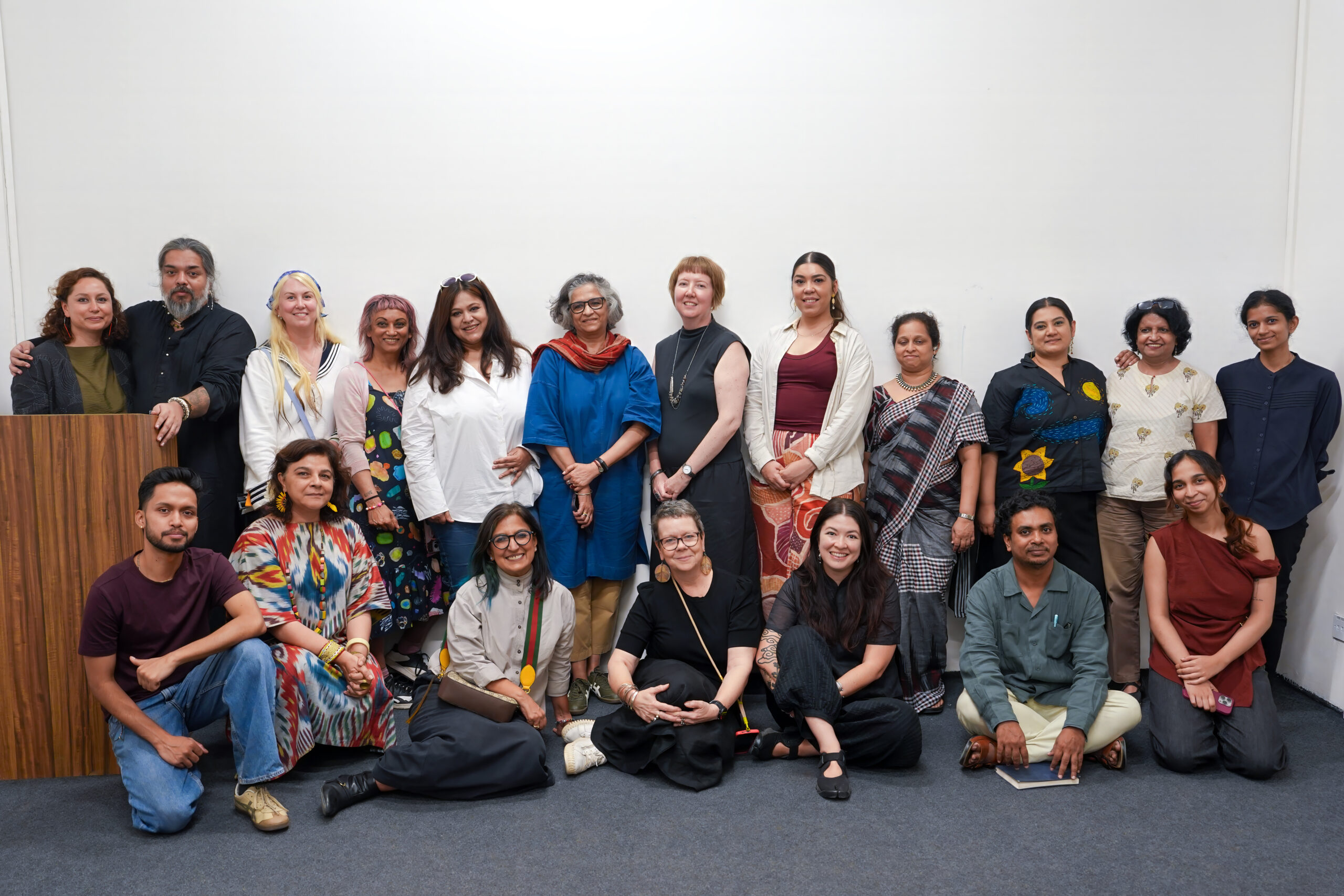
Presented by IOTA in partnership with Khoj International Artists’ Association, this one-day gathering brought together artists and curators from India and Australia.
Through presentations, conversations and exchange, the forum considered craft as a form of inquiry—one that is embodied, situated and shaped by relationships to place, ecology and community.
Moving between inherited knowledge and experimentation, the gathering explored how artists work with materials to question histories, reimagine traditions and respond to changing cultural and ecological conditions.
At its centre is an understanding of making as a way of thinking, connecting and imagining otherwise.
Schedule and Panels
Welcome and Opening Remarks
Pooja Sood — Director, Khoj International Artists’ Association Carola Akindele-Obe — Executive Director, Indian Ocean Craft Triennial (IOTA)
Session 1: Hybridity and Contemporary Craft: Translation, Exchange, and New Forms
This session considers hybridity as a defining condition of contemporary craft, shaped by layered histories of migration, trade, and cultural exchange. Moving beyond fixed notions of tradition, it explores how craft practices are continually reformed through processes of translation, adaptation, and experimentation. Materials, techniques, and visual languages shift across geographies and contexts, carrying with them traces of origin while opening up new possibilities for meaning and form.
Bringing together artists Gurjeet Singh, Jenna Lee, and Tarryn Gill, the discussion will reflect on how hybridity operates within their practices— whether through reworking inherited techniques, engaging with diasporic identities, or negotiating the intersections between craft, art, and design. The session will consider how acts of translation—between cultures, materials, and histories—produce new aesthetic vocabularies and critical frameworks for making. Facilitated by Kallol Datta, the conversation will foreground exchange and dialogue, inviting participants to think through how contemporary craft can hold complexity, multiplicity, and transformation within its forms.
PANEL: Gurjeet Singh (India) Jenna Lee (Australia) Tarryn Gill (Australia)
Facilitator: Kallol Datta (India)
Session 2: Politics, Community, and Ancestral Practices
This session explores craft as a vital carrier of memory, cultural knowledge, and political agency. Grounded in embodied processes such as touch, repetition, and intergenerational learning, it considers how craft sustains ancestral intelligences and community-based ways of knowing. The discussion will reflect on how these practices hold histories of resilience, resistance, and care, particularly in the context of colonial disruption and ongoing social transformation.
Bringing together artists Debashish Paul, Wahida Ahmed, Melissa Cameron, and Lily-Mae Kerley, the session invites participants to share how their practices engage with inherited knowledge systems and lived experience. Through dialogue, they will consider how these forms of knowledge are maintained, adapted, and reactivated within contemporary contexts— shaping new modes of making that remain deeply connected to community, identity, and place. Facilitated by Reha Sodhi, the session will foreground exchange and reflection, opening space for diverse perspectives on the role of craft in sustaining and reimagining cultural futures.
PANEL: Debashish Paul (India) Wahida Ahmed (India) Melissa Cameron (Australia) Lily-Mae Kerley (Australia)
Session 3: Practice as Inquiry — Material, Memory, and Method
This session approaches artistic practice as a form of inquiry, where making becomes a method for thinking through material, memory, and ecological context. Rather than focusing on biography, it foregrounds the process— how artists engage with materials as active agents that carry histories of place, labour, and environmental change. The session considers how craft practices respond to questions of sustainability, resource use, and ecological responsibility, particularly within shifting landscapes shaped by extraction and climate pressures.
Featuring Manisha Parekh, Maxxi Minaxi May, and Kadambari Koli with Parag Tandel (Tandel Fund of Archives), the presentations will explore diverse approaches to material-led research—from working with organic and found matter to engaging archival and community-based knowledge systems. Together, they will reflect on how making can hold memory, trace ecological relationships, and generate new methods of understanding and responding to the environment. Facilitated by Shaleen Wadhwana, the session invites a process-driven dialogue that positions craft as both a critical and responsive practice within contemporary ecological discourse.
PANEL: Manisha Parekh (India) Maxxi Minaxi May (Australia) Kabadmbari Koli with Parag Tandel (Tandel Fund of Archives) (India)
Facilitator: Shaleen Wadhwana (India)
Session 4: When you Look at the Ocean You See the Sky IOTA27 Preview & Closing Remarks
This closing session from IOTA Curatorium members Sharmila Wood, Kallol Datta and Shaleen Wadhwana offers a preview of IOTA27 to introduce the curatorial direction, key themes, and future vision of the Indian Ocean Craft Triennial, outlining how the next iteration will continue to expand conversations around contemporary craft, material knowledge, and crosscultural exchange across the region.
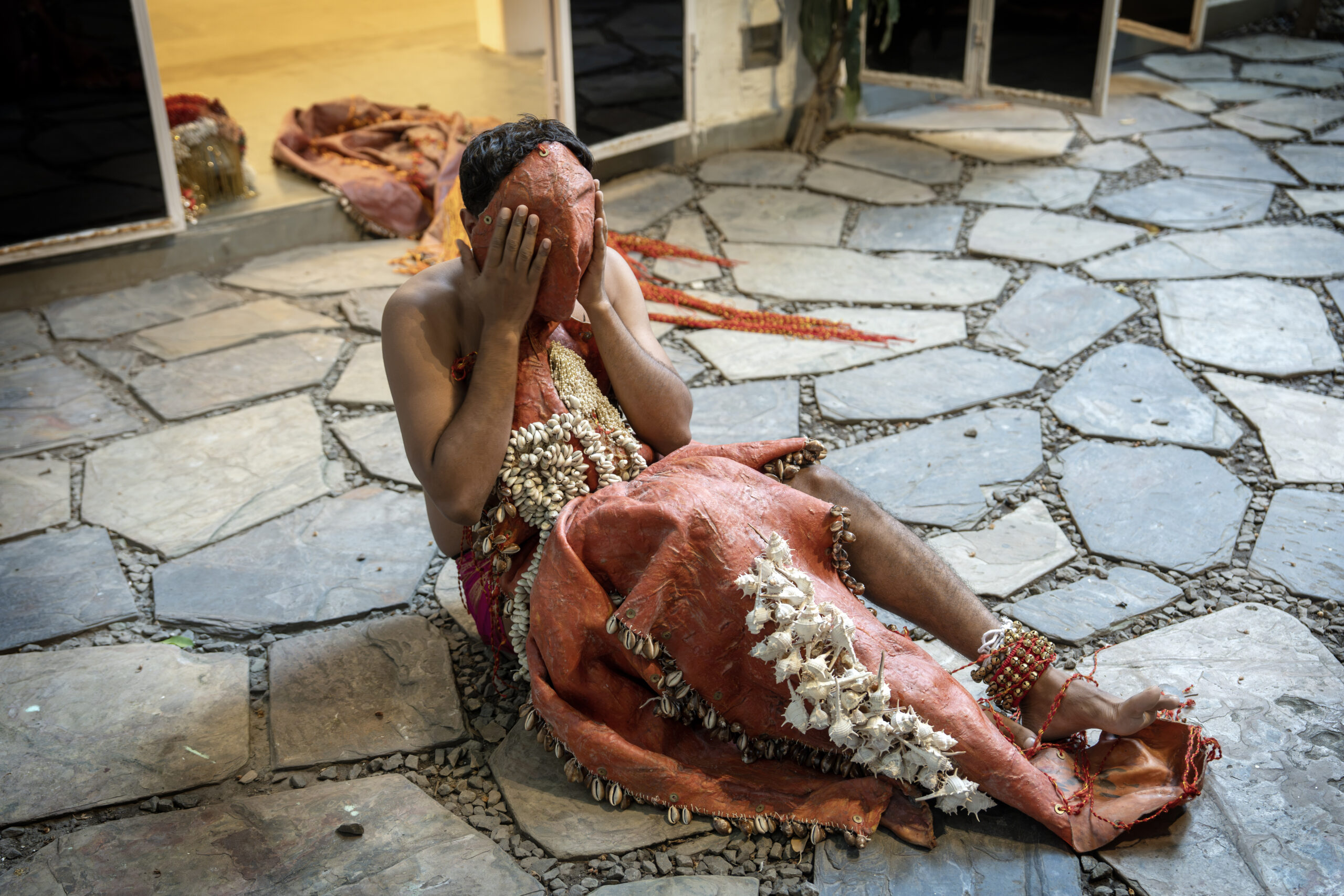
The day ended with a performance by Debashish Paul. Thousand Years of Dreaming explores the dreams, desires, hopes and pain carried by queer bodies across generations. Debashish Paul considers the body as a vessel for inherited experience and memory.