< Back to Counterstructures Residency
Untitled
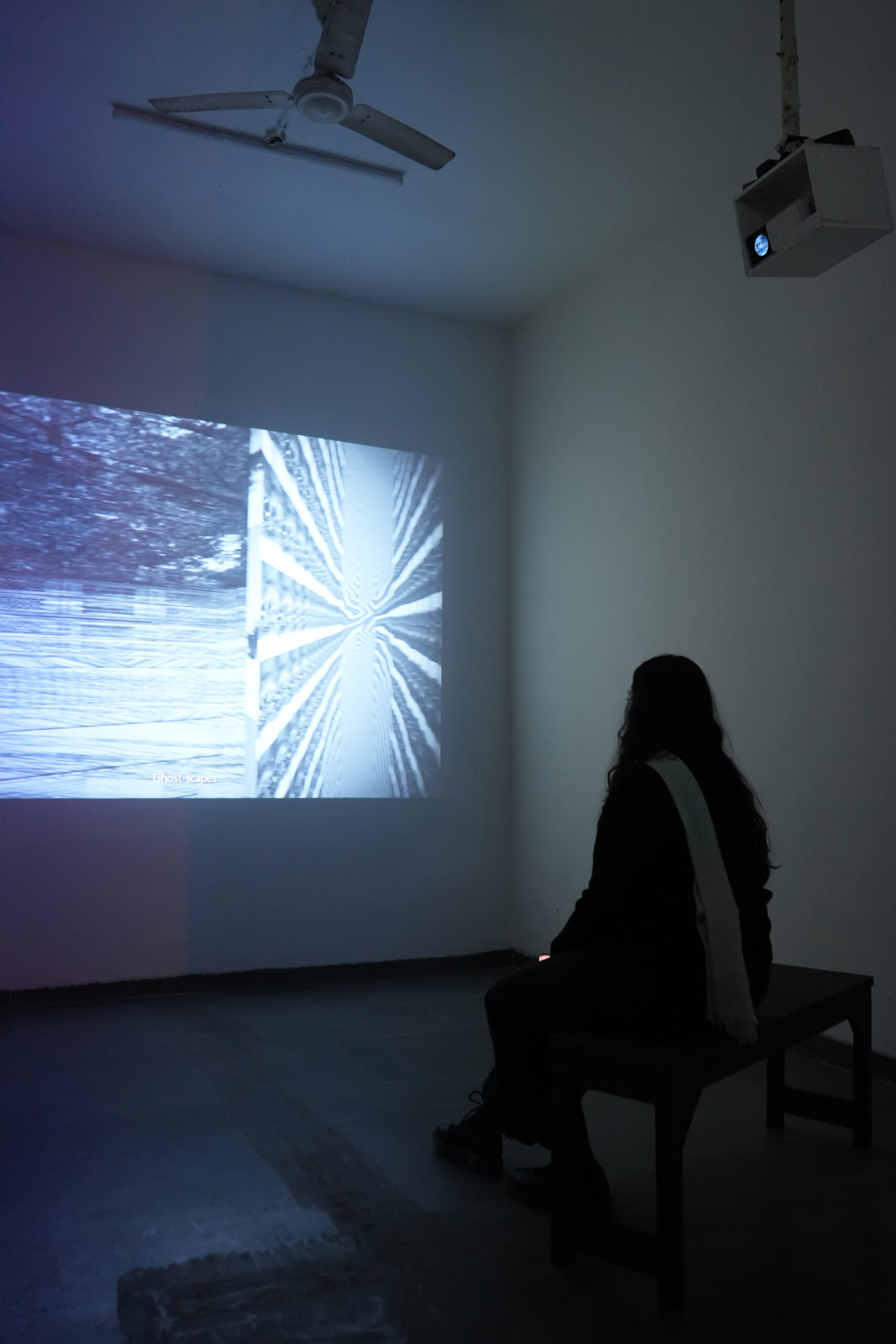
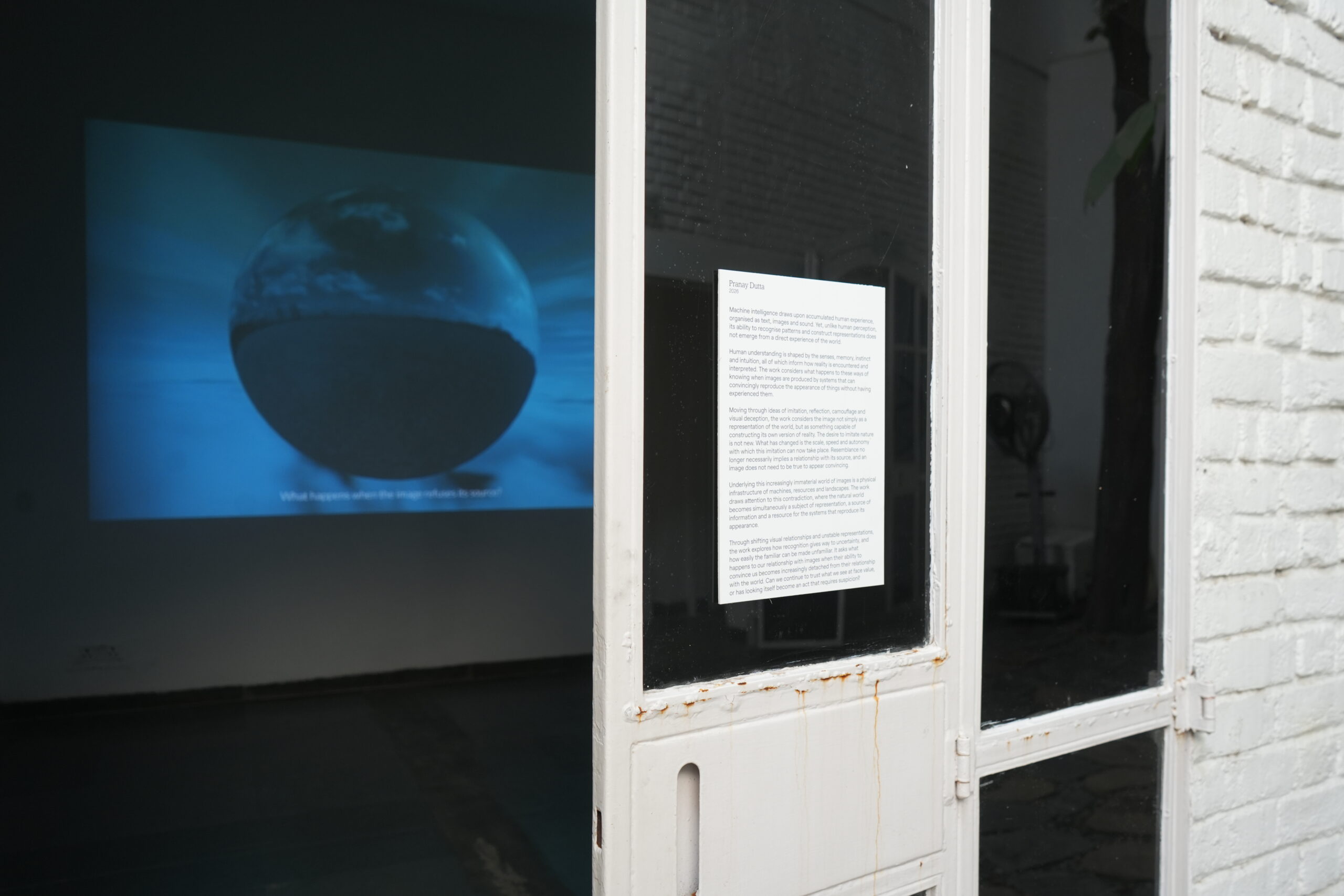
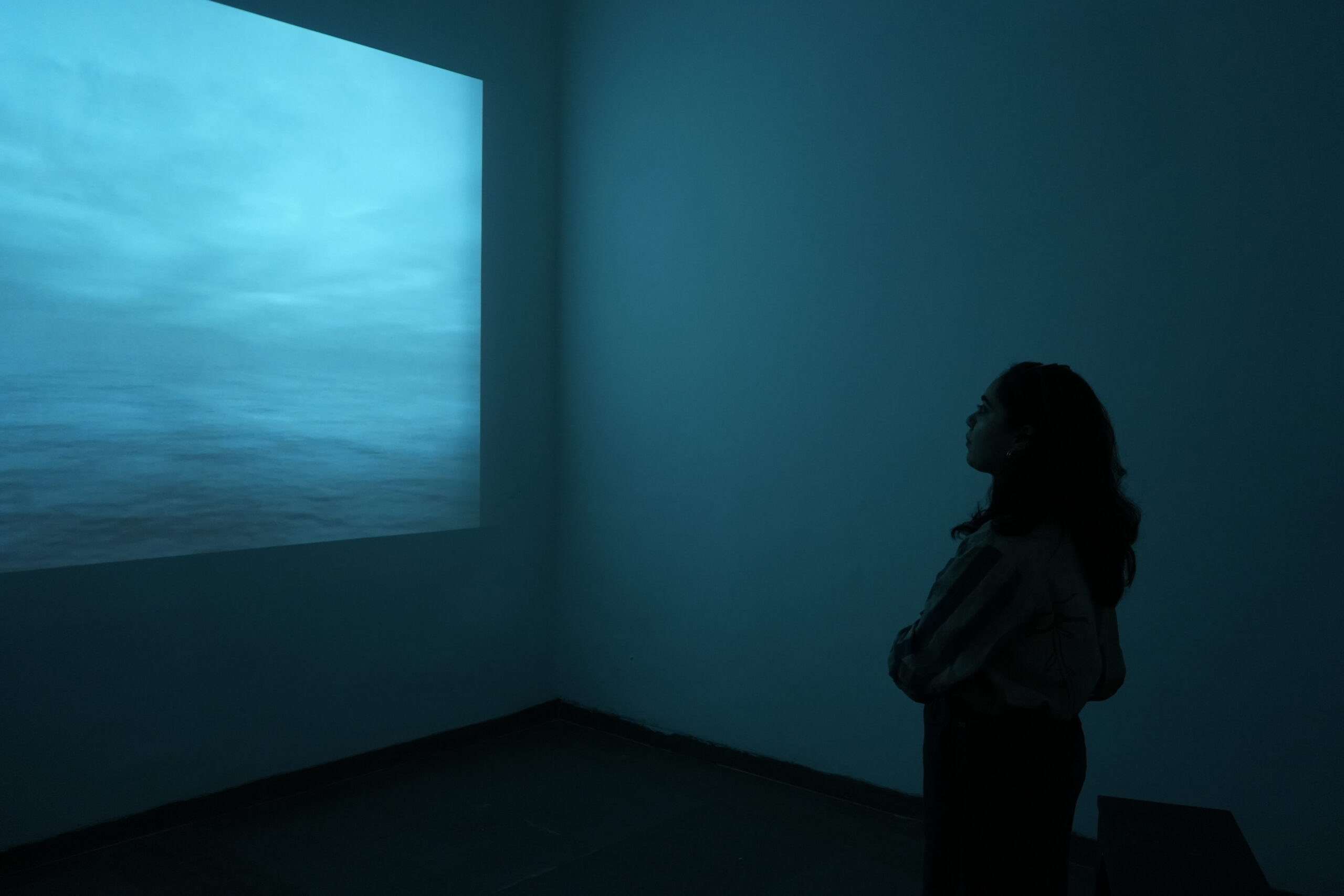
Machine intelligence draws upon accumulated human experience, organised as text, images and sound. Yet, unlike human perception, its ability to recognise patterns and construct representations does not emerge from a direct experience of the world. Human understanding is shaped by the senses, memory, instinct and intuition, all of which inform how reality is encountered and interpreted. The work considers what happens to these ways of knowing when images are produced by systems that can convincingly reproduce the appearance of things without having experienced them.
Moving through ideas of imitation, reflection, camouflage and visual deception, the work considers the image not simply as a representation of the world, but as something capable of constructing its own version of reality. The desire to imitate nature is not new. What has changed is the scale, speed and autonomy with which this imitation can now take place. Resemblance no longer necessarily implies a relationship with its source, and an image does not need to be true to appear convincing.
Underlying this increasingly immaterial world of images is a physical infrastructure of machines, resources and landscapes. The work draws attention to this contradiction, where the natural world becomes simultaneously a subject of representation, a source of information and a resource for the systems that reproduce its appearance.
Through shifting visual relationships and unstable representations, the work explores how recognition gives way to uncertainty, and how easily the familiar can be made unfamiliar. It asks what happens to our relationship with images when their ability to convince us becomes increasingly detached from their relationship with the world. Can we continue to trust what we see at face value, or has looking itself become an act that requires suspicion?

