< Back to Peers 2026
Negotiations
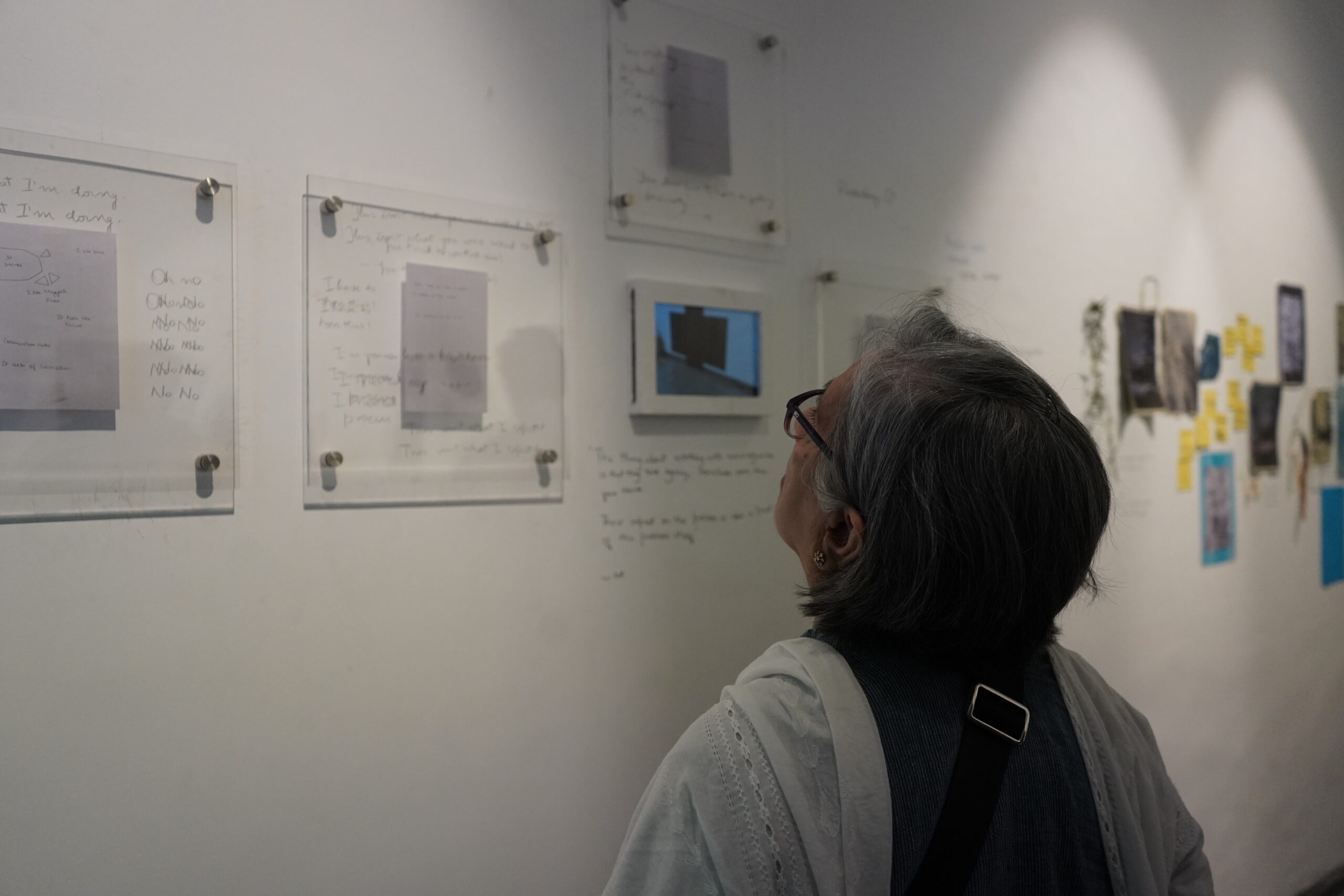

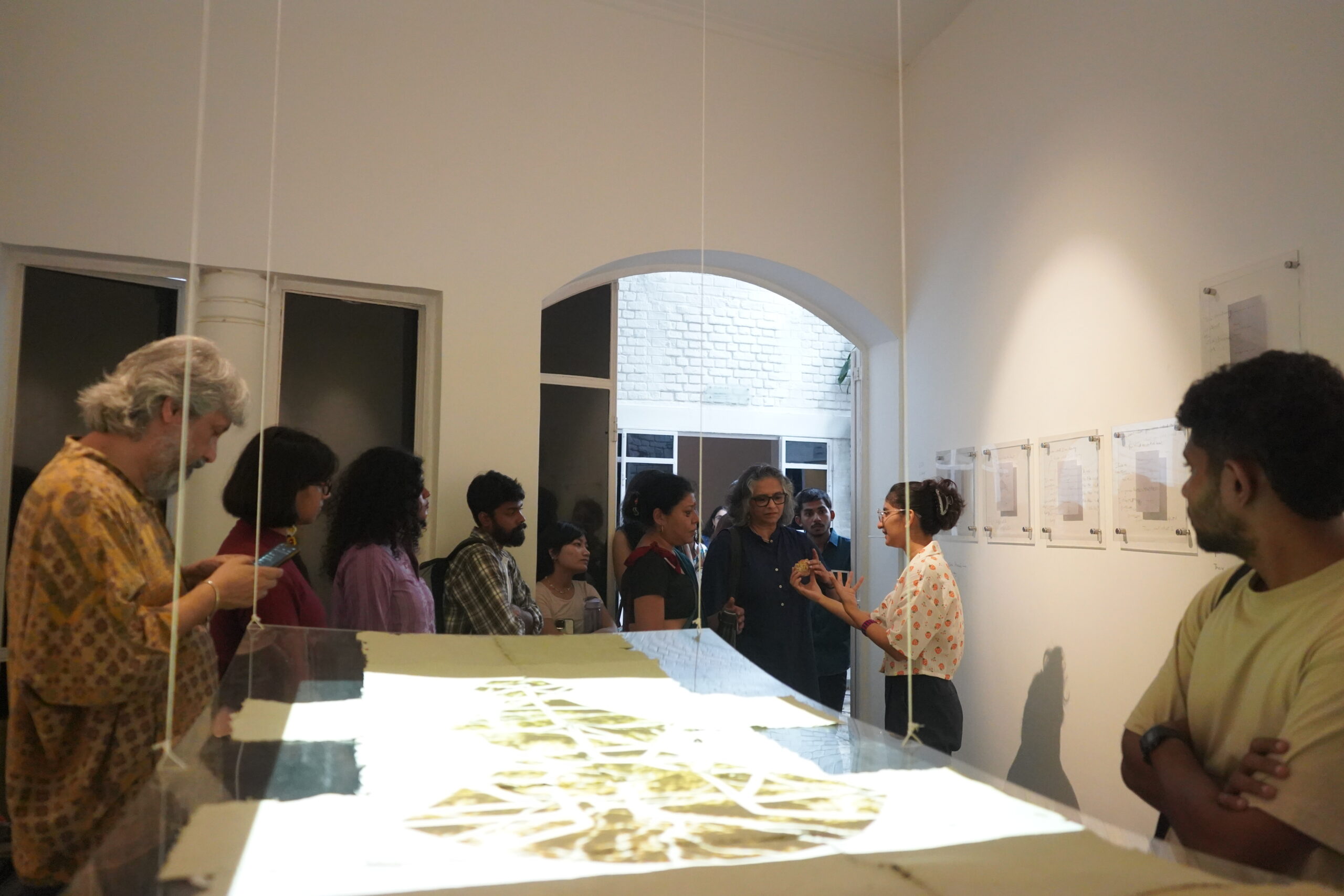


Mycelium forms underground networks that connect tree roots, exchanging nutrients, water and chemical signals in return for sugars. It is a relationship built on reciprocity rather than ownership. Unlike human colonial systems that impose borders and hierarchies, mycelium moves without concern for origin, connecting with whatever root is willing to exchange.
Delhi’s landscape tells a different story. Introduced by the British while constructing New Delhi, Prosopis juliflora (vilayti kikar) is now labelled invasive and systematically removed in favour of “native” species. Once useful, now undesirable, the tree reveals how human classifications constantly redefine what belongs. We relocate, rename and reject non-human life according to our own shifting needs.
This work brings these two systems into conversation: the politics of colonisation above ground and the exchanges taking place beneath it. Through mycelium and kikar I ask what it means to observe, classify and speak for non-human organisms, and whether coexistence might instead emerge through exchange rather than control.
At Khoj, I grew a map of Lutyens’ Delhi using mycelium and handmade paper produced from kikar leaves collected around Khirkee and Satpula. Making the paper became a ritual of collecting, boiling, beating the leaves into pulp, and binding them with okra mucilage and recycled egg cartons gathered from local vendors. Each sheet carried slight differences in colour, as though retaining traces of the places it came from. The same map is projected onto this kikar paper, layered with photographs of branching kikar forms that echo the mycelial networks beneath.
The mycelium refused to grow as I had planned. Most of the moulds were lost to Delhi’s weather and had to be discarded, leaving only fragments beneath the paper. What began as an attempt to direct the material gradually became an exercise in relinquishing control. Rather than forcing the organism into my expectations, I learned to let it assert its own agency, allowing the work to emerge through collaboration instead of command.


